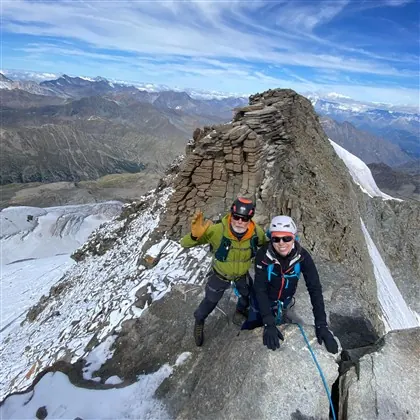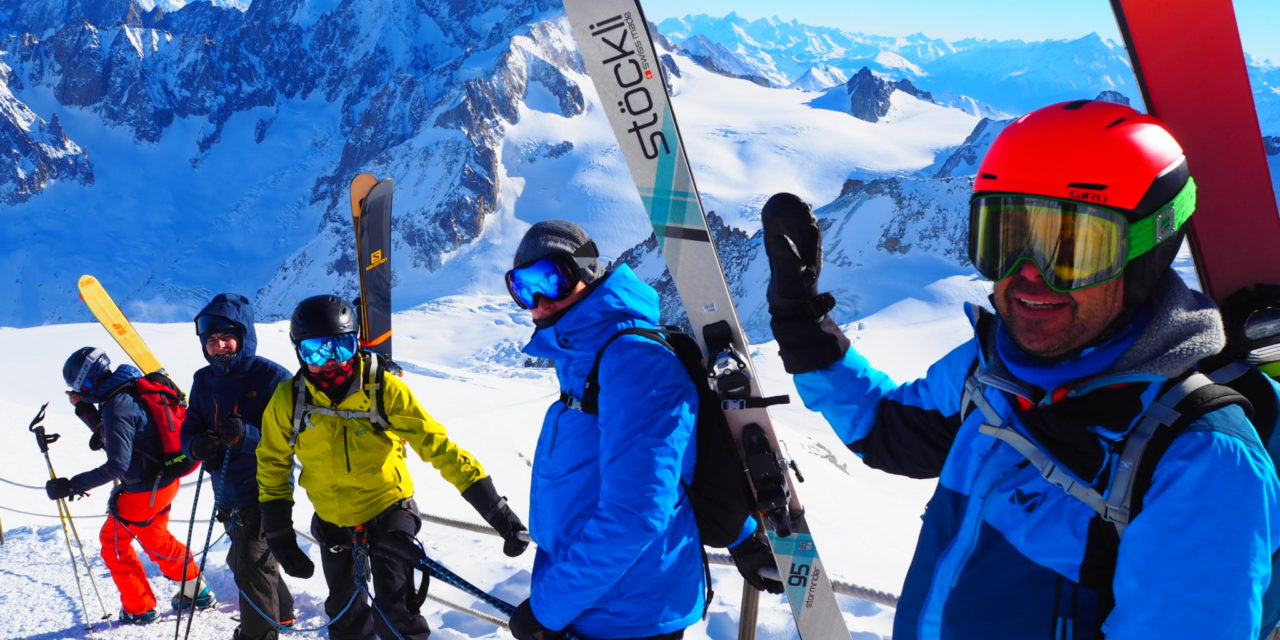
Whether you’re heading down the Vallée Blanche with a guide or skiing it independently with friends, it’s worth taking a few minutes to prepare properly. This isn’t just another run in the Chamonix valley — it’s a high-altitude glacier adventure that demands respect, awareness, and the right kit.
Here are 10 key things to think about before setting off.
1. Check the Weather
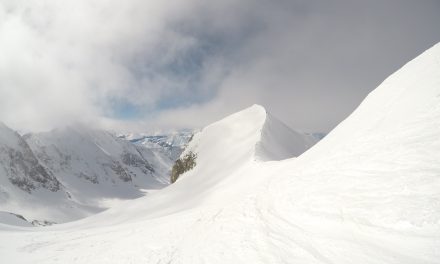
Good visibility is essential when skiing on glaciers. You need to be able to see crevasses, spot the best line, and make smart decisions.
Occasionally, experienced guides who’ve been down the route recently might rely on GPS tracks and local knowledge even in poorer visibility — but it’s always far more enjoyable (and safer) when you can actually see where you’re going.
2. Assess Snow Conditions
Snow on the Vallée Blanche changes constantly — not just day to day, but hour to hour.
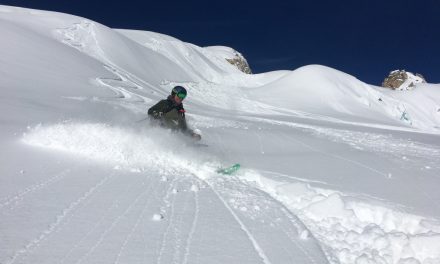
If it hasn’t snowed for a while, the main routes can become well-tracked, almost like a piste, making for easier skiing. Fresh snow, on the other hand, could mean light powder… or breakable crust! Experience helps you judge what’s ahead — another reason a guide can be invaluable.
3. Match the Route to Your Ability
Be realistic about your skills and those of your group. Some people need the best possible conditions — soft snow, sunshine, and clear visibility — to ski safely. Others can handle trickier snow and limited visibility. Know your limits and plan accordingly.
4. Stay in Control
You should be able to ski accurately, turn when and where you want, handle moguls, and sideslip confidently in narrow spots. These are the essential skills for enjoying the classic Vallée Blanche descent.
5. Crevasse Awareness
Always ski with a guide or know your crevasse rescue — ideally both.
Guides are skilled at reading the glacier and avoiding dangerous zones, but no route is completely risk-free. If you go without a guide, carry the right equipment and know how to avoid (and deal with) crevasse incidents. Remember: this is not a marked piste!
6. Safety & Rescue Gear
Guides carry extensive safety equipment: first aid kits, emergency shelters, communication devices, and repair tools. If you’re on your own, you’ll need to think carefully about what to pack — and how to use it.
7. Choose the Right Skis
Pick skis that suit both the terrain and the snow conditions. Some days call for a wide freeride ski; other times, a lighter piste-style ski is fine. See point 2 above!
8. Dress for the Cold
The Aiguille du Midi is often much colder than the valley floor. Bring an extra layer for the top — you can always shed it and pack it away lower down.
9. Bring the Right Pack
You’ll need a backpack with straps to carry your skis for the walk down the arête at the start, plus space for crampons, spare layers, and essentials.
10. Lift Tickets & Reservations
You’ll need the Mont Blanc Unlimited pass, which includes the Aiguille du Midi cable car and the Montenvers train back to Chamonix.
You also need a time reservation for the lift. Guides can usually sort this on the day with an early start, but booking in advance will make your morning smoother.
Final Tip
The Vallée Blanche is an unforgettable experience — a 20 km descent through one of the most stunning glacier landscapes in the Alps. Preparation is everything. Check the weather, respect the mountain, and go with people you trust.

 Last-Minute Bookings & Custom Dates